
The quiet revolution in clean transportation
Innovation · 4 min read · By the Now We Know TV! field team
When people picture the future of transportation, they usually picture something that does not exist yet: flying taxis, hyperloops, highways full of robots. Spend a season filming the companies that actually move this country and you come away with a different picture. The future of mobility is already here, and much of it looks surprisingly familiar.
Steel wheels, small footprint
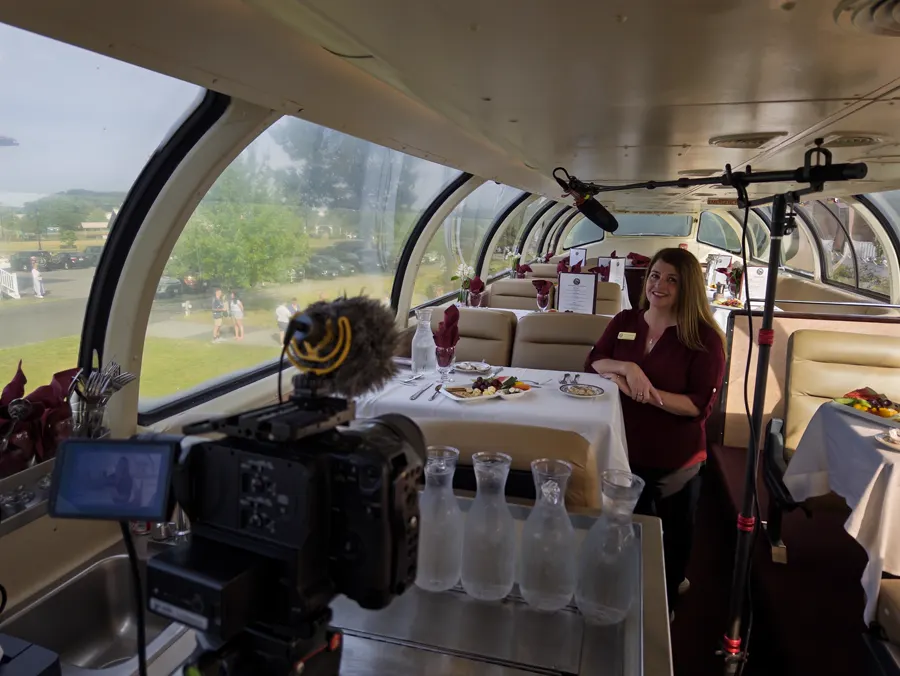
Consider the railroad. Our crews filmed aboard two of them this season, and the physics behind rail travel remain remarkable: steel wheels on steel rails move people and freight with a fraction of the energy that rubber on asphalt requires. The heritage lines we featured are hospitality businesses first, but they sit on an idea the industry keeps returning to, that one of the oldest mass transportation technologies in America is also one of its most efficient.
Transit agencies push the same logic further. The corporate documentary our team produced with Hillsborough Area Regional Transit explored how a modern bus and rail network quietly removes thousands of car trips from a region of roads every day. Nobody cuts a ribbon for a trip that never happened, which is exactly why we wanted cameras there.
Building the machines that move us
Then there is the shipyard. At Austal USA in Mobile, Alabama, our crew filmed vessels the length of city blocks taking shape, and met welders and engineers wrestling with the same question as every transit planner: how do you move more with less? Hull designs, propulsion choices, and lighter materials all serve the same goal, burning less fuel to do the same work.
From batteries to better design, the revolution in clean transportation is not waiting on an invention. It is happening in shops and yards where people measure progress in percentages, not press releases. That is quieter than a flying taxi. It is also real.
Go deeper: Austal USA, Strasburg Rail Road, and Cape Cod Railroad, or browse all transportation segments.